

Minnesota’s long, cold winters can really strain your heating system. As temperatures fall, you might notice your home isn’t as comfortable or efficient as usual. Issues like furnace short cycling, thermostat problems, air leaks, and frozen parts are especially common in older or heavily used systems.
Learn about the most common winter HVAC problems in Minnesota homes, plus easy troubleshooting tips and advice on when to call a pro. You’ll also find out the best temperature settings to keep your home warm and your system running all winter smoothly.
How Minnesota Winters Affect Your Heating System
Bitter cold, heavy snow, and changing temperatures in Minnesota put extra stress on your heating system, which can make hidden problems worse and affect how comfortable your home feels. Regular maintenance, quick repairs, and smart upgrades help your HVAC system work better, save energy, and keep your home warm all season.
Common Winter HVAC Problems and Solutions
In Minnesota winters, homeowners often face HVAC problems that affect comfort, efficiency, and how well the system works. Here are some common issues, plus solutions and tips to help your heating system run smoothly all winter.
1. Furnace Short Cycling
If your furnace keeps turning on and off without finishing a full heating cycle, it’s called short cycling. This can happen if the filter is dirty, the furnace is too large, or there are thermostat issues. Try checking and replacing the filter and make sure the thermostat is working. If the problem continues, call a professional to check for mechanical or sizing issues.
2. Thermostat Malfunctions
A faulty thermostat can make your home uncomfortable by giving incorrect readings. This might cause your heating system to run poorly or not work at all. Check the settings, change the batteries, and clean the sensors. If the issue doesn’t go away, you may need to recalibrate, upgrade, or call a professional.
3. Air Leaks and Insulation Issues
Air leaks and poor insulation force your heating system to work harder and can increase your energy bills. Check for gaps or cracks around windows, doors, and attics, and seal them with weather stripping or caulk. Adding insulation to walls and attics helps keep heat inside and your home warmer.
4. Frozen Components
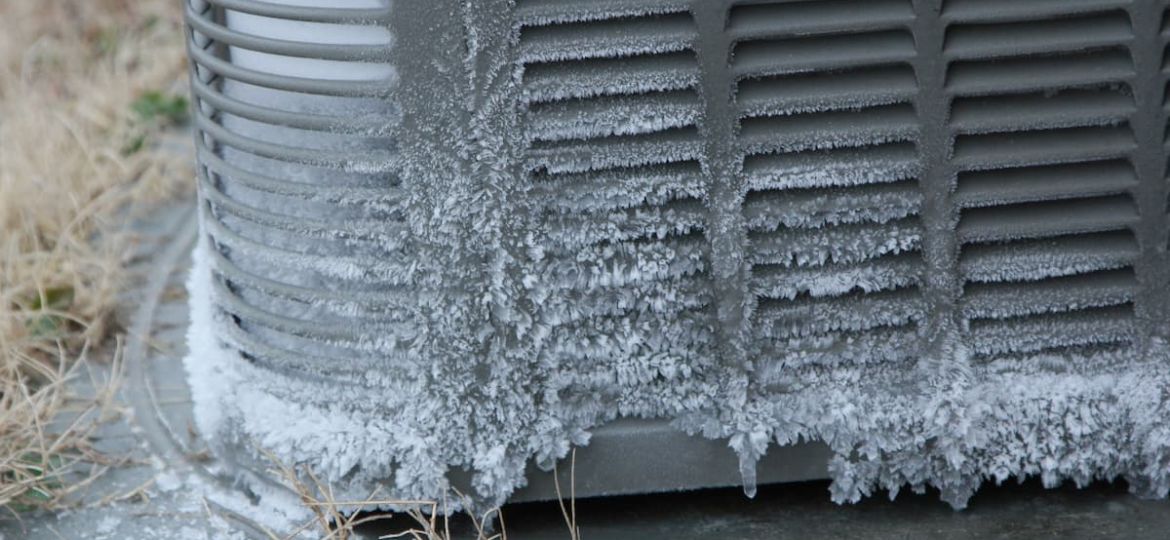
Frozen pipes and coils can shut down your HVAC system during very cold weather. To prevent this, insulate exposed pipes and make sure there’s good airflow. If something does freeze, turn off the system and let it thaw naturally. If you notice leaks or damage, call a professional. Regular maintenance helps lower the risk of freezing.
5. Uneven Heating
Uneven heating can leave some rooms too hot or too cold. This often happens because of blocked vents or ductwork issues. Check that all vents are open and clear, and adjust dampers to balance airflow. If the problem continues, have a professional inspect and fix the ductwork.
6. Pilot Light or Ignition Problems
If your furnace won’t start, the issue could be with the pilot light or ignition. For pilot lights, follow the manufacturer’s instructions to relight it. For electronic systems, check the power and reset if needed. If it still doesn’t work, call a technician to find the cause.
7. Dirty or Clogged Filters
Dirty filters can make your HVAC system less efficient and even cause it to overheat. Check and replace filters every 1 to 3 months to keep the air clean and your system working well. If problems keep happening or you need a deep clean, call a professional.
Best Temperature for Your Home in Winter
Set your thermostat to about 68°F when you’re home and awake for a good mix of comfort and efficiency. Lower it by 7 to 10 degrees when you’re asleep or away to save on heating costs. A programmable thermostat can make these changes for you, matching your daily routine for the best energy use.
Professional Services for Winter Heating Needs
Addressing winter HVAC issues keeps Minnesota homes comfortable, energy-efficient, and reliable. Simple upkeep, such as checking filters and sealing air leaks, can prevent problems, while professional service addresses more complex issues safely. For expert support, contact us at Burnsville Heating & Air Conditioning to maintain steady warmth and keep your system running smoothly all winter.