

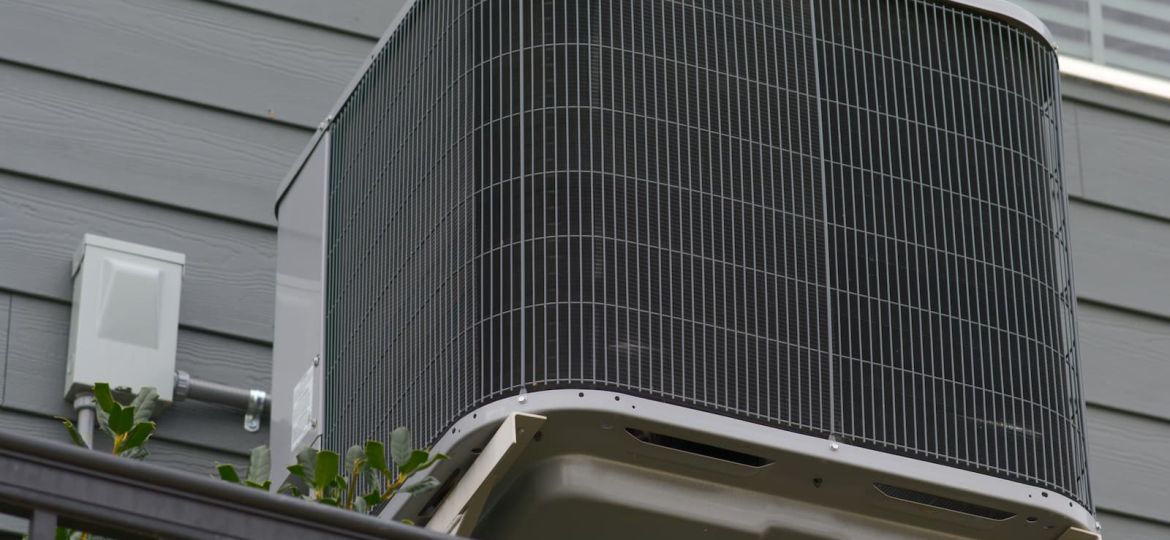
The best way to keep your HVAC system running during Minnesota storms is to prepare it before severe weather hits, especially to prevent flooding, power damage, and costly breakdowns. Spring and summer in the Twin Cities Metro area often bring heavy rain, high winds, and unpredictable power outages that put your home comfort at risk.
Burnsville Heating & Air Conditioning understands the unique challenges of our local climate, and we focus on helping you avoid flooding HVAC damage that can permanently sideline your equipment.
Protect Your Outdoor HVAC Unit from Heavy Rain and Flooding
Outdoor units are most vulnerable during storms because they are directly exposed to the elements and rising water levels. While these systems are designed to be weather-resistant, they are not waterproof against immersion.
Why Flooding Is a Serious HVAC Risk
Water can destroy electrical components, corrode coils, and ruin the compressor if it rises high enough. Even minor flooding or HVAC exposure can trap silt and debris inside the cabinet, which act as abrasives that wear down moving parts and clog drainage paths. Over time, this leads to decreased efficiency and premature mechanical failure.
Ways to Reduce Flooding Risks
Proper drainage is your first line of defense. Ensure that the soil around the condenser pad is graded away from the house and the unit. You should also keep the area clear of mulch, leaves, and grass clippings that can trap moisture or block the unit’s internal drainage holes. In some cases, adjusting downspouts or installing small landscaping barriers can redirect heavy runoff away from your HVAC equipment.
Elevating Your HVAC Equipment
Raising the unit even a few inches above the ground level can provide a life-saving margin during a flash flood. This is particularly important for homes in low-lying yards or areas with poor soil drainage. If your unit currently sits in a depression, a professional can help reset the pad or install a riser to keep the critical electrical components above the water line.
Prevent Power Surge Damage During Minnesota Storms
Protecting your system from electrical damage can save thousands in repairs and prevent the need for a total system overhaul. Power surges are one of the leading causes of fried control boards and motor failures during Minnesota summer storms.
How Storms Impact HVAC Electrical Systems
Lightning strikes do not have to hit your house directly to cause damage. A nearby strike can send a surge through the power grid that overwhelms your HVAC system’s sensitive electronics. Additionally, when power flickers or cuts out and then suddenly returns, the resulting voltage spike can be just as damaging.
Simple Ways to Protect Your System
The most effective solution is to install a dedicated surge protector specifically designed for HVAC equipment. This device acts as a sacrificial barrier, absorbing the excess voltage before it reaches your compressor or blower motor. If a severe storm is approaching, you can also turn your system off at the thermostat to reduce the load. If you experience a power outage, wait at least ten minutes after power is restored before restarting your cooling system to allow the electrical grid to stabilize.
Pre- and Post-Storm HVAC Checklist for Homeowners
Actionable preparation and diligent inspection are the best tools for maintaining a reliable system. Use the following checklist to manage your HVAC health throughout the storm season.
Before the Storm
- Clear the area of loose debris, toys, and garden tools that could become projectiles in high winds.
- Check that the condenser is level and the pad has not shifted.
- Ensure your air filters are clean so the system does not have to work harder if it needs to dehumidify the air after a rain event.
- Visually inspect the exterior for any loose panels or exposed wires.
After the Storm
- Check for standing water around the base of the unit.
- Clear away any branches or leaves that may have been blown against the fins.
- Listen for unusual grinding, buzzing, or clicking noises when the system starts back up.
- Monitor your indoor temperature and airflow to ensure performance has not dropped.
When to Call a Professional
If your unit was partially or fully submerged in water, do not attempt to turn it on. Water and electricity are a dangerous combination, and an internal short could cause further damage. You should also reach out if the system fails to start, makes loud noises, or shows visible damage to the copper lines or fins. Burnsville Heating & Air Conditioning offers 24/7 emergency service to handle these critical situations immediately.
Stay Storm-Ready with Professional HVAC Support
With over 80 years of combined experience, we provide the local expertise needed to keep your home safe and comfortable. Schedule your inspection today or contact Burnsville Heating & Air Conditioning with any questions to ensure your system is prepared for whatever the Minnesota sky brings next.
Image credit: // Shutterstock // Karl Cox