

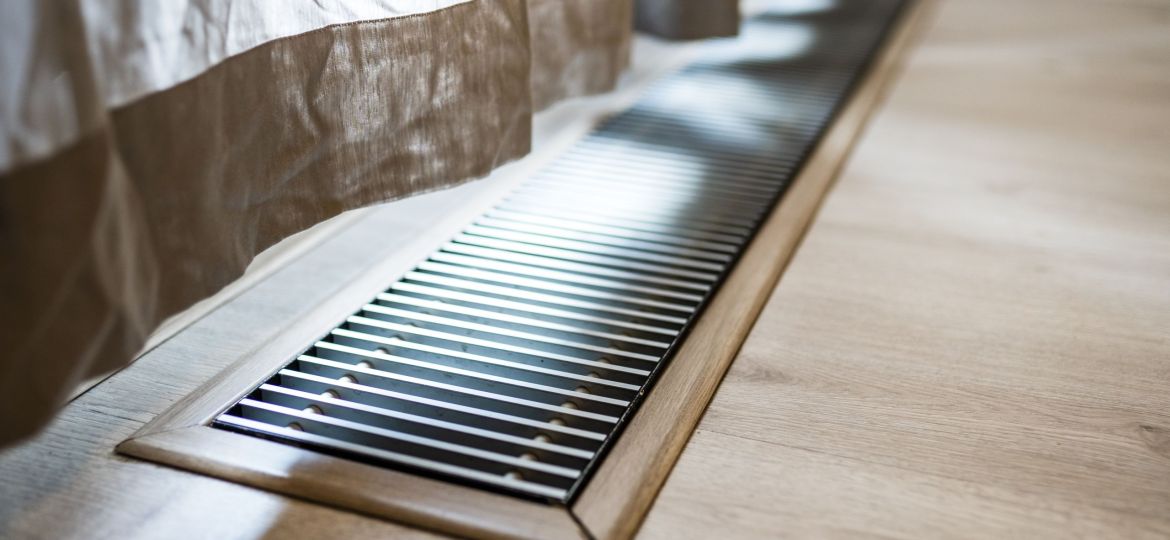
Poor indoor air quality can affect both short-term comfort and long-term health, often causing symptoms that homeowners mistake for seasonal allergies or everyday fatigue. Common symptoms of poor indoor air quality include frequent headaches, coughing, congestion, dry eyes, sudden asthma flare-ups, and persistent fatigue. Airborne pollutants, dust accumulation, humidity imbalances, pet dander, mold spores, and inadequate ventilation all contribute to unhealthy living environments.
Burnsville Heating & Air Conditioning offers solutions for these invisible pollutants tailored to your living space.
Common Signs of Poor Indoor Air Quality in Your Home
Common signs of poor air quality can appear through changes in your health, but your home may also show warning signs. Residents with poor indoor air quality often experience constant sneezing, itchy eyes, dizziness, sinus irritation, worsening allergies, and poor sleep. Beyond physical symptoms, your home may also show visible signs of poor indoor air quality, including excessive dust buildup, musty odors, uneven humidity, stale air, or mold growth near vents and windows.
Your heating and cooling equipment can also affect your home’s air quality. If filters aren’t changed regularly, ventilation is inadequate, or if your vents are dirty, your HVAC system can recirculate pollutants, negatively impacting your air quality. Poor ventilation can cause airflow to stagnate, allowing airborne contaminants to quickly build up to unhealthy concentrations inside your rooms.
The Long-Term Health Risks of Poor Indoor Air
Ongoing exposure to poor indoor air quality may contribute to more serious health concerns over time. Prolonged exposure to airborne contaminants can exacerbate asthma, respiratory illnesses, and allergies, and may increase the risk of chronic respiratory conditions and cardiovascular strain.
Children, older adults, and individuals with existing medical conditions are often much more sensitive to degraded air environments. Studies show that indoor air pollution can be two to five times higher than outdoor pollution levels, making it important to consider the quality of air you’re being exposed to indoors when considering your long-term health and wellness. Overlooking warning signs allows fine particulates to strain your respiratory system over extended periods.
Prevention Tips to Improve Indoor Air Quality Every Day
Improving indoor air quality often starts with consistent HVAC maintenance, better filtration, and improved airflow. Practical daily prevention tips include replacing your heating and cooling filters regularly, scheduling professional HVAC maintenance, utilizing air purifiers, and monitoring indoor humidity levels. Checking local outdoor air quality index reports helps you determine when to increase ventilation by opening windows or when to keep your property sealed. Keeping air ducts and registers clean also reduces the number of airborne particles circulating through your living zones. These practices optimize system efficiency while establishing healthier, more stable interior living conditions across every season.
Create a Healthier Home With Modern Comfort Solutions
Taking indoor air quality seriously before symptoms worsen is the best way to safeguard your household. Recognizing the signs of poor indoor air quality early helps you improve daily comfort, protect long-term health, and boost overall HVAC performance. Create a healthier home with modern comfort solutions designed to help homeowners maintain cleaner indoor air year-round. Contact Burnsville Heating & Air Conditioning today to schedule system inspections, filter upgrades, or comprehensive indoor air quality support that establishes a safer, more reliable environment for your family.
Image credit: // Shutterstock // ArtCreationsDesignPhoto